
The Heartfelt Journey to Homemade Rotisserie Chicken
Welcome to the comforting world of homemade rotisserie chicken, where the magic of flavors comes together to create a dish that feels like a warm hug from a dear friend. Imagine stepping into your kitchen, the aroma of spices filling the air, the anticipation of a perfectly cooked whole chicken that’s about to grace your dinner table. This guide isn’t just a recipe; it’s a heartfelt invitation to bring joy and nostalgia into your home through the simple act of cooking.
In this article, you’ll learn not just how to make a mouthwatering rotisserie chicken, but also why it’s a go-to meal for gatherings. With my honest, down-to-earth approach, we’ll cover everything from ingredients and cooking techniques to expert tips and variations that keep your culinary adventures vibrant and exciting. So, roll up your sleeves, and let’s dive into the world of homemade rotisserie chicken!
Why You’ll Love This Recipe
- Unmatched Flavor: This homemade rotisserie chicken captures all the rich, savory flavors you love, with a spice blend that elevates the chicken to new heights.
- Economical & Wholesome: Making your own rotisserie chicken is not only budget-friendly, but also allows you to control the quality of ingredients.
- Easy to Customize: Whether you like it spicy, herby, or with a hint of sweetness, this recipe can adapt to your taste preferences.
- Versatile Meal Options: Use the chicken in salads, sandwiches, or as the star of your dinner plate—endless possibilities await.
- Leftovers Done Right: Enjoy delicious leftovers that can be stored and used in various recipes throughout the week.
Ingredient Breakdown for Your Rotisserie Chicken
Let’s gather our ingredients! Here’s what you’ll need to make the ultimate homemade rotisserie chicken:
- Whole Chicken: A 3-4 lb whole chicken is ideal for juicy, tender results. You can use organic or free-range options for better flavor.
- Olive Oil: A few tablespoons of olive oil help the spices adhere and contribute to that crispy skin.
- Spice Blend: Combine paprika, garlic powder, onion powder, salt, and pepper for a deliciously aromatic rub.
- Fresh Herbs: Fresh thyme, rosemary, or oregano add a vibrant touch to your chicken, enhancing the overall flavor.
- Optional Lemon or Garlic: Stuffing the chicken with a halved lemon or garlic cloves adds extra moisture and flavor while it cooks.
Expert Tips for Perfect Rotisserie Chicken
Before we dive into the cooking process, here are some insider tips to ensure your chicken turns out perfectly every time:
- Pat Dry: Always pat the chicken dry with paper towels before seasoning to ensure crispy skin.
- Brining is Key: For extra moisture, consider brining your chicken in a saltwater solution for a few hours before cooking.
- Room Temperature: Let your chicken sit at room temperature for about 30 minutes before cooking; this helps it cook more evenly.
- Use a Meat Thermometer: Ensure the internal temperature reaches 165°F in the thickest part of the thigh for safe and delicious results.
- Let It Rest: Allow the chicken to rest for 10-15 minutes after cooking; this helps the juices redistribute, keeping it moist.
- Rotate Regularly: If using a rotisserie oven, rotating the chicken ensures even cooking and that golden brown exterior.
- Save the Bones: Don’t toss the bones! Use them to make a flavorful chicken broth that’s perfect for soups.
- Experiment with Flavors: Don’t hesitate to try different spice combinations or marinades to find your favorite.
Common Mistakes and Troubleshooting
Even the most seasoned cooks can make mistakes. Here are common pitfalls and how to avoid them:
- Overcooking: Keep an eye on your chicken; overcooked chicken can be dry. A meat thermometer is your best friend!
- Skipping the Rub: Don’t skip seasoning—the rub is what gives the chicken its delicious flavor. Be generous!
- Not Using a Roasting Pan: If you don’t have a rotisserie, a roasting pan is essential for even cooking and collecting drippings for gravy.
- Ignoring Rest Time: Letting the chicken rest is crucial for juicy meat. Make it a non-negotiable step!
Variations to Try
Now that you’ve mastered the basics, here are some fun variations to try out:
- Spicy Cajun: Add cayenne pepper and paprika for a zesty kick.
- Herb & Lemon: Mix fresh herbs with lemon zest for a bright, refreshing flavor.
- Honey Garlic: Brush the chicken with honey and minced garlic for a sweet and savory glaze.
- Asian Inspired: Use soy sauce, ginger, and sesame oil for an Asian twist on your rotisserie chicken.
Storage and Make-Ahead Instructions
Got leftovers? Here’s how to properly store and enjoy your chicken later:
- Refrigeration: Place leftover chicken in an airtight container in the fridge for up to 4 days.
- Freezing: For longer storage, wrap portions tightly in plastic wrap and freeze for up to 3 months.
- Reheating: To reheat, place chicken in the oven at 350°F until warmed through, keeping it covered to retain moisture.
Comprehensive FAQ
Here are some common questions and answers to help you on your chicken cooking journey:
- Can I use frozen chicken? Yes, but ensure it’s fully thawed before cooking for even results.
- What’s the best cooking method? Both oven roasting and rotisserie methods yield delicious results, but rotisserie can give that classic, crispy skin.
- Should I remove the skin? For a healthier option, you can remove the skin before cooking, but it helps keep the meat moist during cooking.
- Can I use chicken parts instead? Absolutely! Adjust cooking time based on the size of the pieces.
- How do I know when it’s done? Use a meat thermometer to check for an internal temperature of 165°F.
- What sides go well with rotisserie chicken? Mashed potatoes, steamed vegetables, or a fresh salad pair wonderfully.
- Can I marinate the chicken? Yes, marinating adds depth of flavor. Just make sure to pat it dry before seasoning.
- What if I don’t have a roasting pan? You can use a baking sheet with a wire rack to elevate the chicken for even cooking.
Nutritional Tips and Dietary Adaptations
This recipe is not just delicious; it can also be adjusted for various dietary needs:
- Paleo-Friendly: Skip the sugar in any rubs and stick to natural spices and herbs.
- Low-Carb Option: Perfect as-is, just avoid any sugary glazes.
- Gluten-Free: Naturally gluten-free, just ensure any sauces or sides also follow suit.
Equipment Recommendations
To achieve the best results, consider having the following tools on hand:
- Roasting Pan: Essential for even cooking and capturing drippings.
- Meat Thermometer: A must-have for ensuring your chicken is perfectly cooked.
- Sharp Knife: For carving the chicken with ease.
Serving Suggestions
Once your chicken is cooked and rested, it’s time to serve it up! Here are some ideas:
- Classic Plate: Serve with mashed potatoes and green beans for a comforting dinner.
- Wrap it Up: Use shredded chicken in wraps or sandwiches with your favorite toppings.
- Chopped Salad: Dice leftover chicken over a fresh salad for a light lunch.
Conclusion
And there you have it, my friends! A comprehensive guide to creating your very own homemade rotisserie chicken, filled with warmth, flavor, and memories. Cooking doesn’t have to be complicated; it’s about embracing the simplicity of good ingredients and sharing the joy with those you love. So gather around the table, enjoy the fruits of your labor, and remember that every meal is a chance to create lasting memories. Happy cooking!
The Ultimate Pineapple Fluff Salad
Ingredients
Dairy & Dairy Substitutes
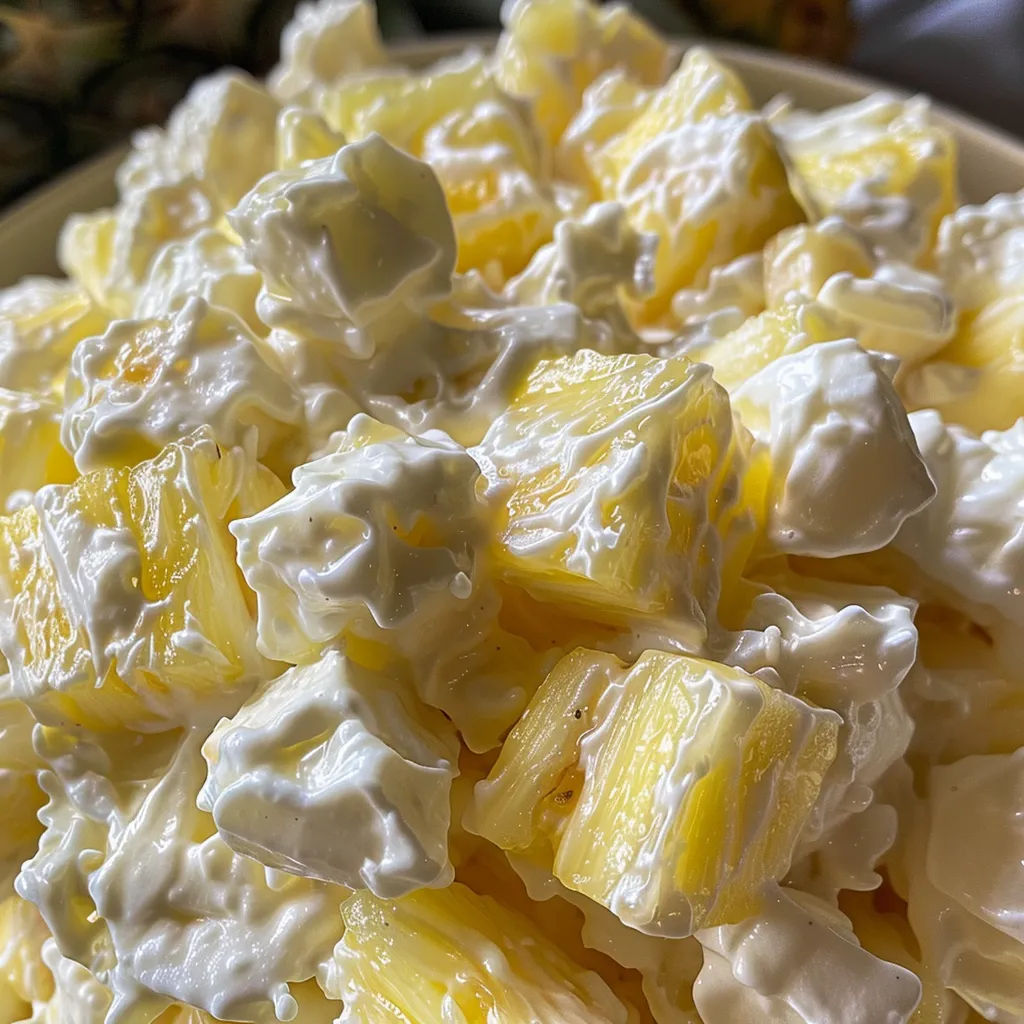
- 1 (20 oz) can oz crushed pineapple (drained)
- 1 (8 oz) tub oz whipped topping
- 1 cup cups mini marshmallows
Sweeteners & Flavorings
- 1 teaspoon tsp vanilla extract
Instructions
- In a large bowl, combine the drained crushed pineapple and vanilla extract.
- Gently fold in the whipped topping until well mixed.
- Stir in the mini marshmallows.
- Chill in the refrigerator for at least 1 hour before serving.